
TD Ameritrade Network: How It Changed Financial Media
 Analisa
 August 21, 2026
 2:39 pm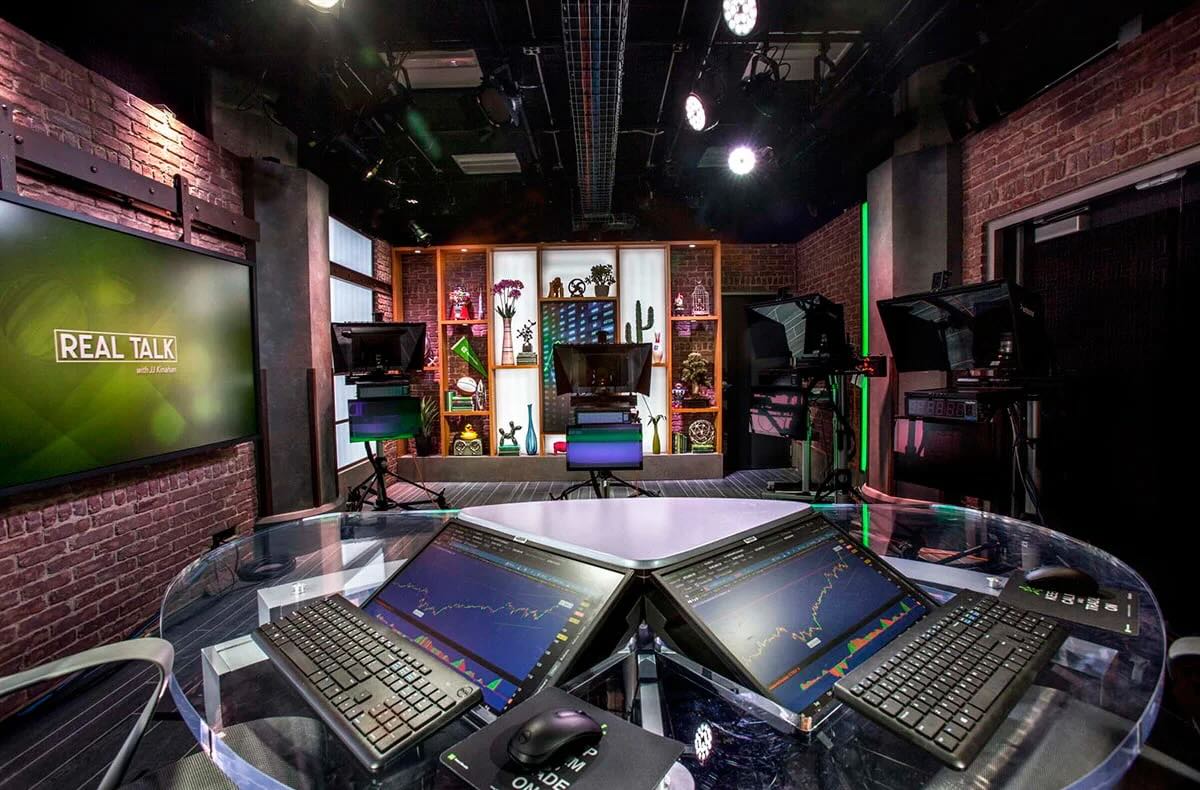
The TD Ameritrade Network helped change how financial companies used media. It brought live market news, investor education and original programming directly to traders and investors through digital platforms. Today, the network continues as the Schwab Network.
The network responded to a shift in audience behavior. Investors wanted financial information available alongside the digital tools they already used.
What began as an idea grew into a full streaming operation with dedicated studios, original shows and hours of live financial coverage each day.
Its launch also offered an early example of a financial services company building its own direct-to-consumer media platform.
How the TD Ameritrade Network Was Built
The idea for the TD Ameritrade Network came partly from customer demand.
Clients wanted live market news while using investing platforms such as thinkorswim. TD Ameritrade saw an opportunity to bring trading tools, education and financial media into the same ecosystem.
Katie Ryan, then-director of the network, said clients wanted access to market news within platforms they already knew.
“The idea to create a network essentially came from our clients, who told us they like to have access to live market news on investing platforms, like the thinkorswim platform they’re familiar with,” Ryan said at the time.
“We believe that knowledge drives confidence, and we wanted to enrich our clients’ investing experience through a new media channel.”
Instead of relying only on traditional financial television, TD Ameritrade began developing programming it could distribute directly to investors.
TD Ameritrade Network Brings Financial News to Streaming
The TD Ameritrade Network launched as an over-the-top, or OTT, financial media platform.
Viewers could access programming through internet-connected devices and TD Ameritrade platforms without needing a traditional cable subscription.
That approach reflected the broader shift toward streaming and direct digital distribution.
“The TD Ameritrade Network is the first financial news outlet to fully embrace the cord-cutting philosophy of today’s changing media,” said Driss Sekkat, who served as executive producer of the network.
“Our mission from the beginning has been to provide market news in an innovative way, providing the audience with an objective, data-driven analysis of the market.”
The network aimed to do more than report market moves. Its programming explained what was happening, why it mattered and how investors could better understand the financial landscape.
Building a Financial Media Operation in Chicago
Creating the network required a complete production operation.
TD Ameritrade converted office and conference room space in Chicago into a working television studio.
The team built sets, installed lighting and developed on-air graphics. It also hired producers, writers, technical staff, anchors and contributors.
At the same time, the group developed new programs and established the network’s editorial approach.
“Developing the broadcast environment was an evolution, and we are still on that journey,” Ryan said. “We had to learn about our viewers’ behaviors and then figure out the best way to deliver content that can support their trading habits and enrich their investment journey.”
That focus on audience behavior helped shape the network as it grew.
From Four Hours to a Full Programming Lineup
The TD Ameritrade Network started with about four hours of live content.
The schedule soon expanded to eight hours of daily programming. Journalists, market professionals and financial experts followed developments throughout the trading day.
The lineup mixed breaking financial news, analysis and investor education.
“Morning Trade Live,” hosted by former Bloomberg journalist Oliver Renick, focused on overnight news and market-moving developments.
“Market On Close” covered major stories and market moves as the trading session ended.
Together, the shows created a daily programming schedule built around the rhythm of the markets.
Investor Education Became Part of the Programming
Education played a major role in the network’s strategy.
Programs such as “SwimLessons” helped thinkorswim users learn more about the platform and trading concepts.
Instructors demonstrated tools and walked viewers through simulated trades using paperMoney.
That approach connected financial education with live media.
It also helped distinguish the network from traditional financial television. TD Ameritrade could connect programming directly to the tools its customers already used.
How the TD Ameritrade Network Reached Investors Directly
TD Ameritrade had more than 11 million client accounts at the time. That gave the company insight into the information retail investors wanted.
JJ Kinahan, then-chief market strategist at TD Ameritrade, said the network could help clients understand what was happening in the markets and why.
That direct connection gave the TD Ameritrade Network an advantage.
The company could develop programming around real audience interests instead of relying solely on the conventions of traditional television.
A New Model for Financial Services Media
The network represented more than another financial news channel.
It showed how a financial services company could build its own media operation and communicate directly with customers.
TD Ameritrade was no longer only advertising alongside financial content. It was producing the content itself.
The company created financial news, investor education and original programming while controlling many of the digital channels used to distribute that content.
That model has become increasingly common across financial services.
Financial brands now use YouTube, podcasts, newsletters, livestreams and social media to reach audiences directly.
The TD Ameritrade Network’s Impact on Financial Media
One of the clearest lessons from the TD Ameritrade Network was the importance of meeting audiences where they already were.
Investors did not necessarily need another traditional television channel.
They needed accessible financial information while they researched markets, followed trades and made investment decisions.
The network combined live coverage, investor education and digital distribution to address that need.
The model helped show how financial services and media could work together within the same customer experience.
Today, that approach can be seen across the financial industry as more companies invest in owned media and direct audience relationships.
The TD Ameritrade Network remains an early example of how a financial brand could use original programming to inform, educate and build a direct connection with investors.