

Why Miami Is Emerging as a Global Financial Hub
 Analisa
 August 21, 2026
 3:03 pm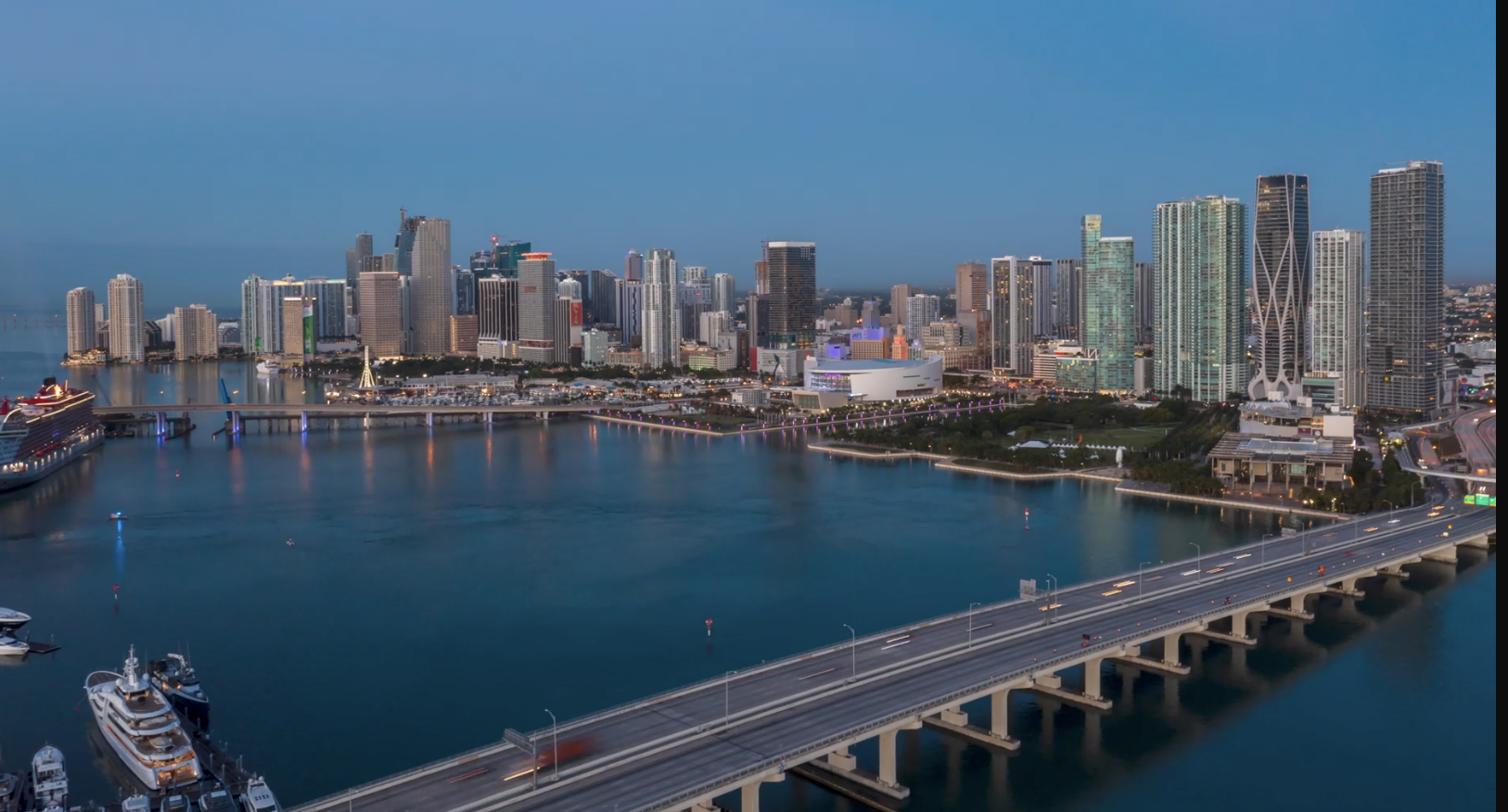
Miami has long been recognized for tourism, real estate and international business, but its role in the financial industry has expanded significantly in recent years. The city is increasingly attracting investment firms, banks, fintech companies and other businesses that support the financial sector.
That growth has accelerated as major firms establish or expand operations across South Florida. Citadel relocated its global headquarters to Miami, while companies including Blackstone, Apollo Global Management and Point72 have also increased their presence in the region.
Much of that activity is concentrated around Brickell and the broader Miami area, helping strengthen the city’s reputation as an emerging financial center and creating a larger ecosystem of finance, technology, media and professional services.
All Access Media is also based in Miami, placing the company within the same growing business community. As the region continues to attract financial institutions and new investment, Miami is becoming an increasingly important market not only for finance, but for the industries that support how those companies communicate, operate and reach audiences.
Why financial companies are moving to Miami
Miami’s growth as a financial center did not happen overnight.
For years, the city has served as an important gateway between the United States, Latin America and the Caribbean. More recently, an influx of investment firms, entrepreneurs and technology companies has expanded the city’s role in the U.S. financial industry.
Brickell, already known as Miami’s financial district, has become one of the most visible symbols of that transformation.
Citadel’s decision to move its global headquarters from Chicago to Miami brought significant attention to the region. Other financial firms have opened offices, expanded teams or increased investments in South Florida, helping create a deeper concentration of financial talent and businesses.
The result is an increasingly connected ecosystem of hedge funds, private equity firms, asset managers, banks, fintech companies and professional services businesses.
Brickell and the rise of “Wall Street South”
Miami’s financial growth has earned South Florida the nickname “Wall Street South.”
While New York remains the center of the U.S. financial industry, Miami is emerging as an increasingly important alternative for companies looking to expand their operations and reach new markets.
The growth is particularly visible in Brickell, where new offices and developments are reshaping Miami’s skyline.
But the significance goes beyond real estate.
When major financial institutions establish offices in the same market, they attract executives, analysts, traders, technology professionals and other specialized talent. That creates opportunities for additional companies to build businesses around the financial sector.
It also increases demand for communications, marketing, production and media expertise.
Finance and media are increasingly connected
The growth of the Miami financial hub comes as financial companies are also changing how they communicate.
Investors are no longer getting financial information exclusively from television networks or traditional publishers.
They are watching market analysis on YouTube, listening to financial podcasts, subscribing to newsletters, following experts on social media and increasingly using AI-powered tools to research financial topics.
That shift is leading more financial institutions to invest in their own media capabilities.
Companies are creating original video programming, investor education, executive interviews, podcasts, live streams and digital series designed to communicate directly with their audiences.
For financial brands, media is becoming part of the customer experience.
Why Miami is positioned for financial media growth
Miami’s expanding financial sector creates an opportunity for a broader financial media industry to develop alongside it.
As more firms establish operations in South Florida, they need ways to communicate with customers, investors, employees and the wider marketplace.
That can include:
- Executive interviews and thought leadership
- Financial news and market analysis
- Investor education
- Podcasts and original video series
- Live broadcasts and streaming programming
- Social media content
- Event production
- Internal and external corporate communications
Financial institutions increasingly have the ability to operate as media brands themselves, creating content that establishes expertise and builds direct relationships with audiences.
Having production and media capabilities within the same market can make that process faster and more integrated.
A growing technology and entrepreneurial ecosystem
Finance is only one part of Miami’s evolution.
The city has also attracted technology companies, venture capital firms, entrepreneurs and startups, creating greater overlap between finance and technology.
That combination matters as financial services become increasingly digital.
Trading platforms, fintech products, artificial intelligence and digital investing tools are changing both how financial companies operate and how consumers interact with them.
At the same time, advances in media technology have made it easier for companies to distribute professional programming directly to customers without relying on traditional television networks.
Miami increasingly sits at the intersection of those trends.
A gateway to international audiences
Miami also has a geographic and cultural advantage that differentiates it from other U.S. financial centers.
Its longstanding connections to Latin America and the Caribbean make the city an important hub for international business.
For financial institutions looking to reach audiences beyond the United States, that position can be valuable.
Financial media created in Miami can serve domestic investors while also connecting companies with international executives, entrepreneurs and markets.
That global orientation is one reason Miami’s growth has the potential to extend beyond a regional finance boom.
The future of finance in Miami
Miami is still developing as a financial center, but its trajectory has become difficult to ignore.
The arrival and expansion of major financial institutions are creating an ecosystem that extends beyond banks and investment firms.
Media companies, technology providers, professional services firms and other businesses are growing alongside them.
That is what makes the emergence of the Miami financial hub significant.
It is not simply about companies moving offices from one city to another. It is about the creation of an interconnected business community capable of attracting talent, investment and new industries.
For financial media in particular, the opportunity is growing.
As financial institutions compete for attention as intensely as they compete for customers, the ability to educate audiences, explain complex ideas and create compelling content will become increasingly important.
And as Miami continues its evolution from an international business destination into a global financial center, the media industry has an opportunity to grow right alongside it.
All Access Media’s role in Miami’s growing ecosystem
All Access Media expanded its presence in Miami as the city’s finance, technology and media industries continued to grow.
The company works with financial institutions and other brands to develop original programming and premium video content designed for digital audiences.
That can range from market-focused programming and executive interviews to educational content, live productions and full media platforms.
The goal is not simply to produce more video.
It is to help organizations develop content that audiences want to watch and that can be distributed across streaming, social, web and other digital channels.
All Access Media brings experience building financial programming and media operations, including work connected to the TD Ameritrade Network, Schwab Network and tastylive.