
How Events Become Media Platforms
 Analisa
 August 21, 2026
 3:48 pm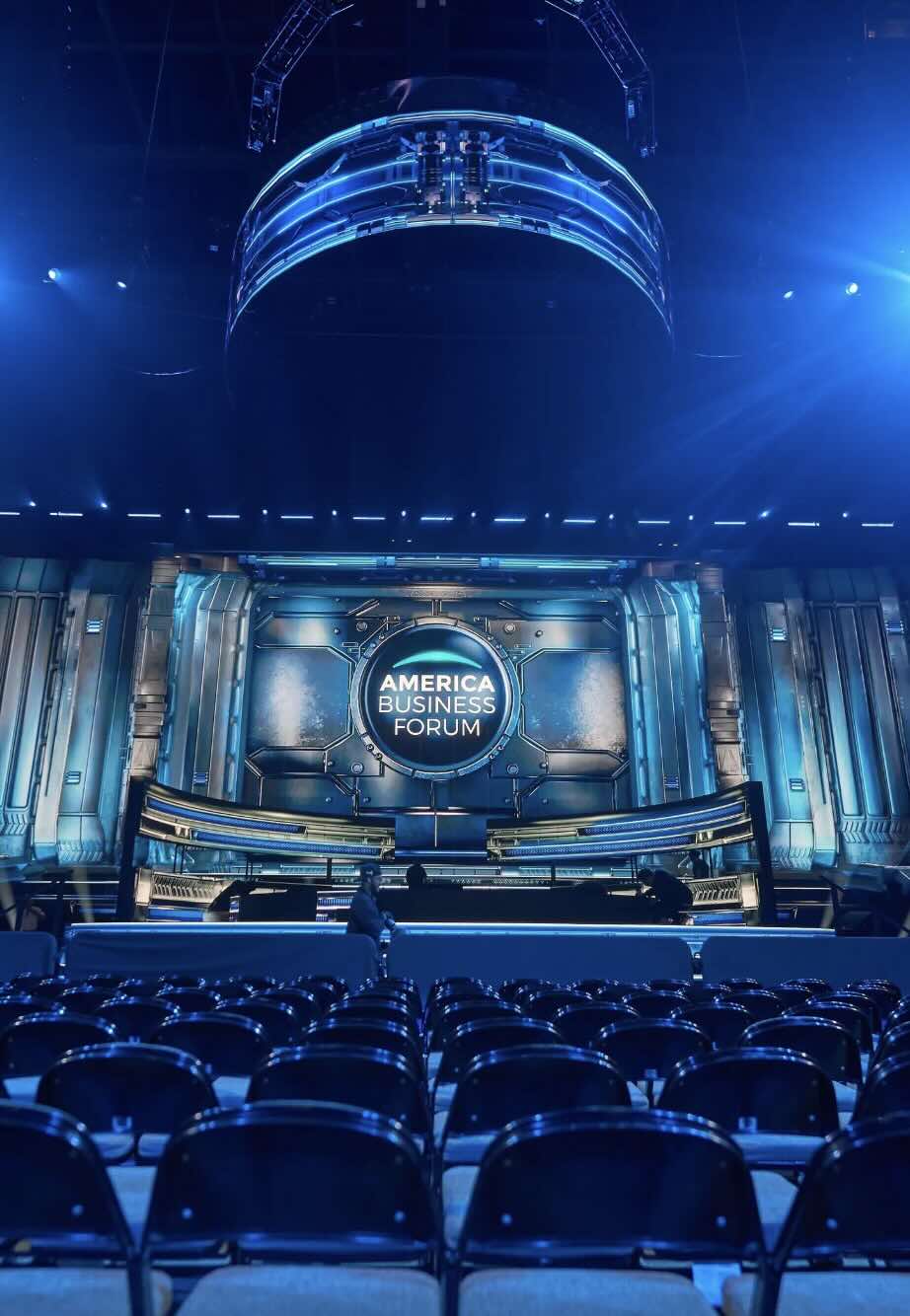
Events become media platforms when organizers stop treating a conference as a one-time gathering and start building content around every conversation, speaker and moment.
Video, social media, search, newsletters and digital distribution can extend the life of an event long after attendees leave the venue. A keynote that lasts 30 minutes in person can continue reaching audiences for weeks or even months when it becomes searchable, shareable content.
America Business Forum offers a strong example of that shift.
Held in Miami in 2025 and once again in 2026, the forum brings together leaders from business, finance, technology, sports and global affairs, including Lionel Messi, Jeff Bezos, Jamie Dimon, Ken Griffin, Serena Williams, Rafael Nadal, Gianni Infantino and Eric Schmidt.
But the larger opportunity was not simply the audience inside the venue.
Each conversation created content that could reach entirely different audiences across digital platforms.
How Events Become Media Platforms
Traditionally, an event ended when the stage lights went down.
Companies might publish a few photos, write a recap and share a highlight reel before moving on to the next campaign.
That model is changing.
An effective event content strategy begins before the first speaker walks onstage. Organizers consider which conversations could become long-form videos, which moments could work on social media and which topics people may continue searching for after the event.
That turns the event itself into a content engine.
A single executive interview can become:
- A full-length YouTube video
- Multiple short-form social clips
- A written article
- LinkedIn posts
- Newsletter content
- Podcast excerpts
- Executive quotes
- Searchable website content
- Promotional material for future events
Instead of producing one event and one recap, organizations can create an entire library of media.
The Audience Can Be Bigger Than the Room
One of the biggest advantages of event content is reach.
A venue may hold thousands of people, but digital content can potentially reach far more.
At America Business Forum 2025, a conversation with Jeff Bezos could attract entrepreneurs and technology professionals. Jamie Dimon and Ken Griffin could reach audiences interested in finance and markets.
Lionel Messi could introduce the event to an entirely different global sports audience.
Each speaker becomes a potential entry point into the larger event brand.
That means the value of a conference is no longer limited to attendance.
Views, search traffic, social engagement, subscribers and long-term audience growth can all become part of how organizers measure success.
Short-Form Video Creates a Discovery Engine
Most people will not discover an event by watching a 45-minute panel first.
They may discover it through a 30-second clip.
Short-form video has become one of the most effective ways to introduce a larger conversation to new audiences.
A strong quote from a CEO might appear on LinkedIn. A surprising moment from an athlete could become an Instagram Reel. A technology discussion could find an audience on YouTube Shorts.
That creates a simple content journey:
Short-form clip → long-form conversation → website → subscriber or follower
The short clip gets attention.
The longer content creates depth.
The organization’s owned platforms create the opportunity for an ongoing relationship.
This is one reason events become media platforms rather than simply promotional moments.
Search Gives Event Content a Longer Life
Social media moves quickly.
Search works differently.
A social clip may generate most of its views within several days, while an optimized article or YouTube interview can continue attracting audiences months later.
Someone searching for topics such as:
- Jeff Bezos on innovation
- Jamie Dimon on the economy
- Lionel Messi business leadership
- Miami business events
- Artificial intelligence and business
- Sports business trends
could discover content originally produced at a live conference long after the event ended.
That makes SEO an important part of event strategy.
Organizations should ask two questions when planning content:
What will people want to watch today?
And:
What might someone still search for six months from now?
The strongest event content can accomplish both.
One Speaker Can Create Multiple Content Paths
A large event often brings together people from very different industries.
That creates an opportunity for audience crossover.
America Business Forum included leaders from finance, technology, professional sports, government and entrepreneurship.
Those speakers naturally attract different audiences.
Someone who discovers the event through Lionel Messi may later watch a conversation with Gianni Infantino.
A viewer interested in Jeff Bezos may discover Eric Schmidt.
An investor watching Jamie Dimon may encounter Ken Griffin.
Instead of treating each session as an isolated piece of programming, organizers can build connections between them.
That helps transform individual interviews into a broader content ecosystem.
Events Can Build Authority Around The Media Industry
Events also give organizations an opportunity to establish authority.
A company that consistently hosts respected leaders in finance can become associated with financial expertise.
A sports conference that regularly brings together commissioners, athletes and executives can become a destination for sports-business conversations.
Over time, the event brand begins to carry value of its own.
The organization is no longer simply hosting a conference.
It becomes a publisher of interviews, insights and ideas.
This follows the same broader shift occurring across industries as companies invest in owned media and direct audience relationships.
Why Long-Form Content Still Matters
Short-form video gets much of the attention in today’s media environment, but long-form content remains important.
A 20- or 30-second clip can highlight an idea.
It usually cannot explain it.
Full interviews, panels and keynote conversations allow audiences to understand context and hear a speaker develop an argument.
That depth is especially valuable for business, finance and technology audiences.
The most effective strategy is not choosing between short and long content.
It is using them together.
Short-form content can create discovery while long-form programming builds credibility and engagement.
Why Events Become Media Platforms After the Live Event
The real opportunity often begins after the event ends.
Organizations can continue publishing content gradually instead of releasing everything at once.
A two-day conference might generate enough material for several weeks of publishing.
Week one could feature major keynote moments.
Week two might focus on leadership.
Another week could center on technology or finance.
Individual speaker interviews can become standalone articles. Quotes can become social graphics. Panels can inspire newsletters or follow-up reporting.
This approach extends the life of the production investment and prevents the common cycle of generating significant attention during an event and then disappearing immediately afterward.
Miami Is Becoming a Major Stage for Global Events
Location can also become part of the content.
America Business Forum held its 2025 U.S. event in Miami, a city that has expanded its profile across finance, technology, sports and international business.
That provides another editorial layer.
Content from an event in Miami can connect to larger conversations about the city’s growing financial sector, major sporting events, entrepreneurship and its role as a gateway between the United States and Latin America.
All Access Media is also based in Miami, placing our team within that growing media and business ecosystem.
The larger lesson, however, applies to events in any market.
A strong location can become part of the storytelling rather than simply the backdrop.
The Stage Is Now a Content Studio
Modern organizations can think about an event stage almost like a temporary television or digital studio.
A keynote becomes long-form programming.
A panel becomes a podcast.
A backstage interview becomes a social series.
Audience questions can become future articles.
Even moments that never appear in the main program can generate useful digital content.
This changes how events should be produced.
Camera placement, audio quality, lighting and vertical-video capture are no longer secondary considerations.
They directly affect how much content the organization can create afterward.
The question should not only be, “How will this look in the room?”
It should also be, “How will this look on a phone two weeks from now?”
How to Build an Event Media Content Strategy
Organizations can get significantly more value from events by thinking about media before production begins.
Start by identifying the subjects audiences care about.
Determine which speakers have natural relevance to those topics.
Plan both horizontal and vertical video.
Capture high-quality audio.
Build interview opportunities outside the main stage.
Identify search-friendly topics before the event.
Create a publishing calendar that extends beyond event week.
And most importantly, avoid treating every piece of content as a separate production.
One strong conversation should be able to support multiple platforms.
The Bigger Lesson From America Business Forum 2025
America Business Forum 2025 demonstrated how events become media platforms when organizers combine a live experience with deliberate content production and distribution.
The people inside the room remain important.
But so do the people who discover a speaker through Google three months later, watch a clip on social media, subscribe to a newsletter or find a full interview on YouTube.
That changes how organizations should think about the return on an event.
Attendance remains one metric.
But so are video views, search visibility, social reach, audience growth, subscriptions and the lifespan of the content produced.
A conference may last two days.
A well-built media platform can keep that conversation going much longer.
RELATED NEWS